


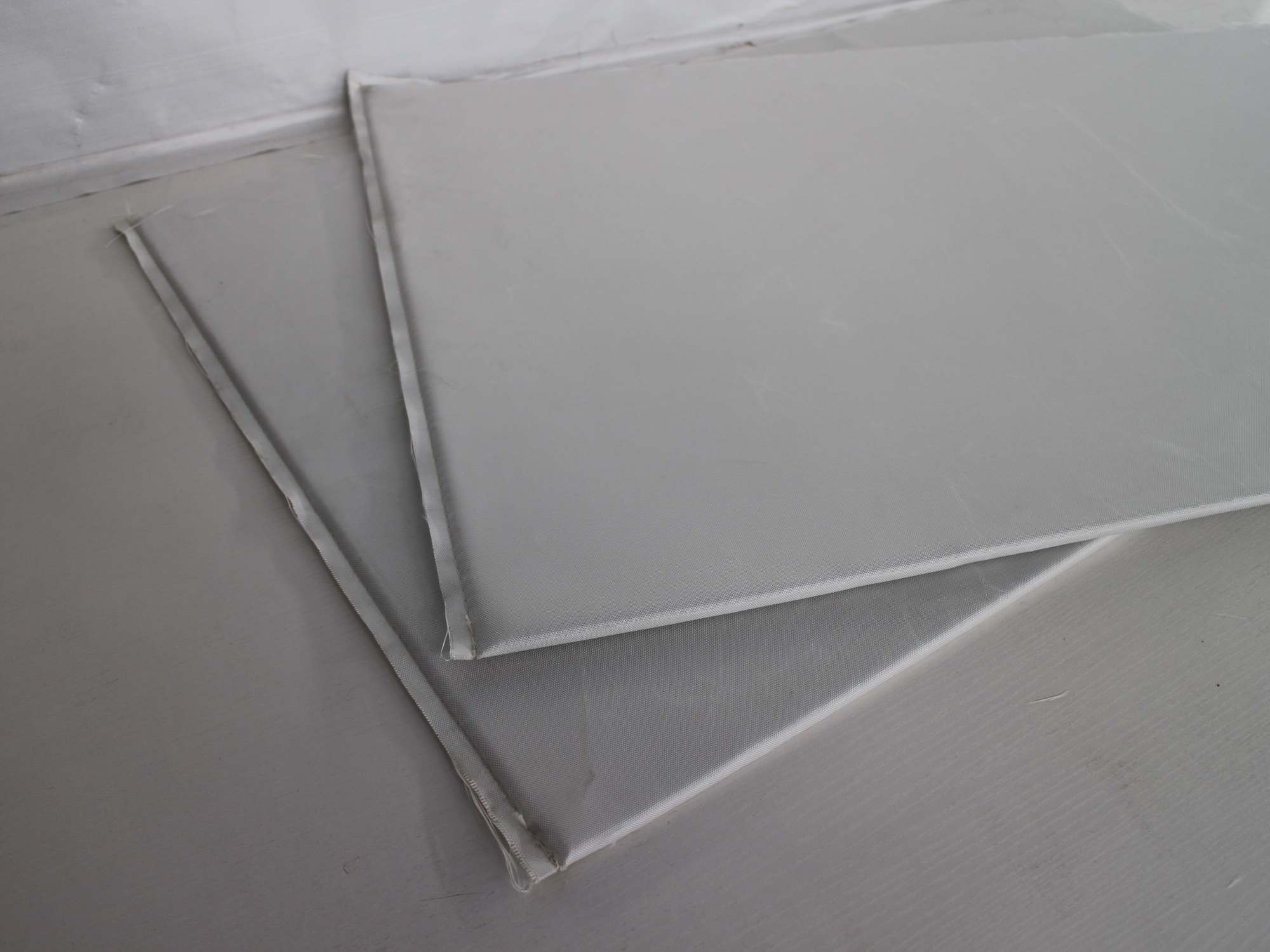

Microporous Boards for High-Temperature Industry
Microporous boards are designed for high-temperature industrial environments, delivering outstanding thermal performance with conductivity lower than still air. These products incorporate heat-resistant particles, reinforcing fibers, and high-temperature radiation blockers, effectively controlling heat transfer in a way that surpasses conventional refractories.
- Available in rigid boards and panels, flexible felts and blankets, VIPs, custom shapes, and granules.
- Thermal conductivity is lower than that of still air.
- Can be encapsulated with aluminum foil, fiberglass cloth, polyolefin film, and more.
What is Rigid Microporous Board?
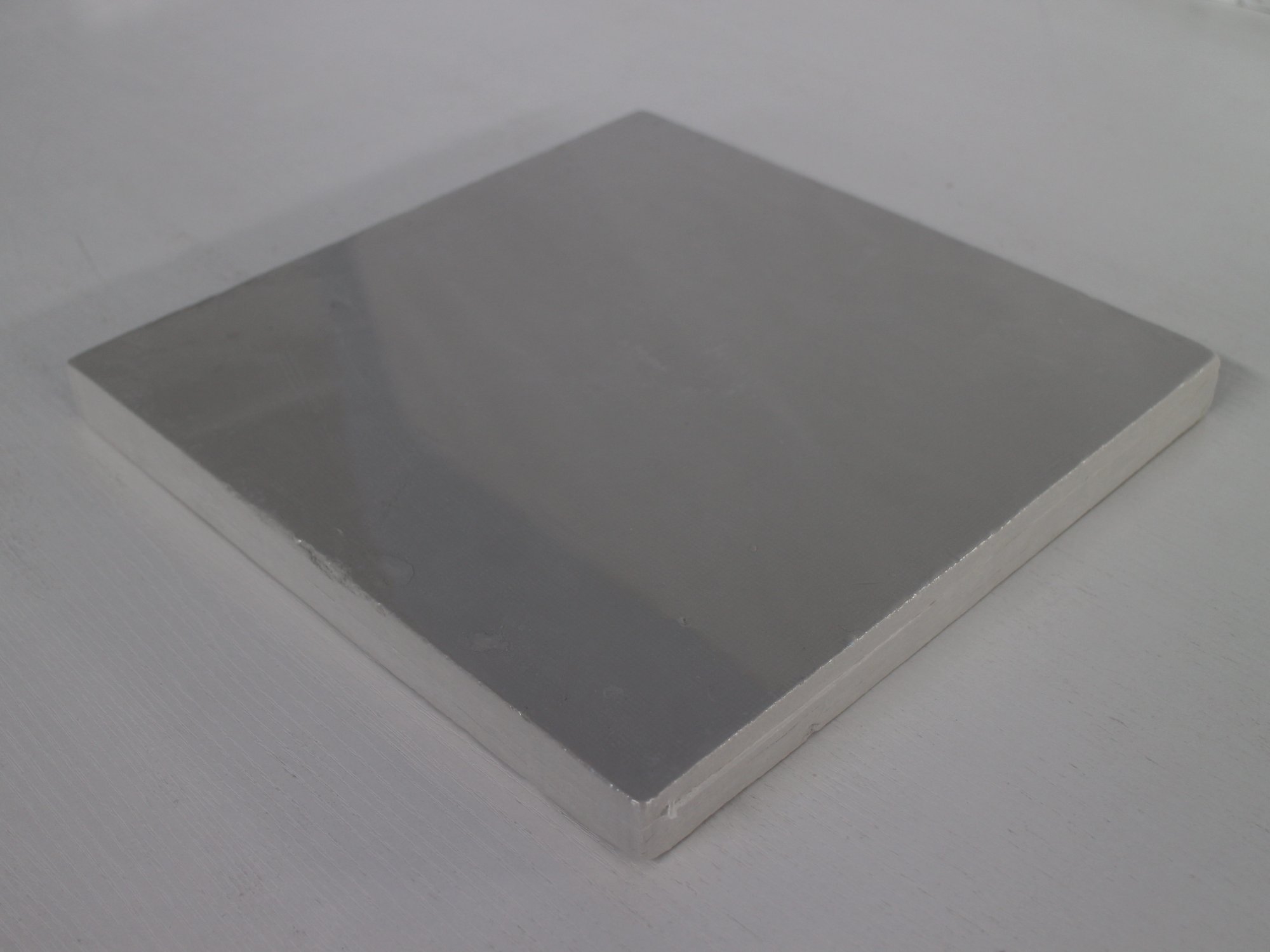
Rigid Microporous Boards offer unparalleled thermal insulation efficiency, ideal for high temperature industrial applications. The rigid boards provide robust and durable insulation solutions, maintaining structural integrity even under extreme conditions. Panels, on the other hand, offer a more flexible design, suitable for applications requiring both thermal efficiency and adaptability. Both are crafted using advanced microporous materials, ensuring minimal heat transfer and excellent thermal management. Their compact and lightweight nature makes them ideal for space-constrained environments, a testament to their innovative design and versatility in insulation.
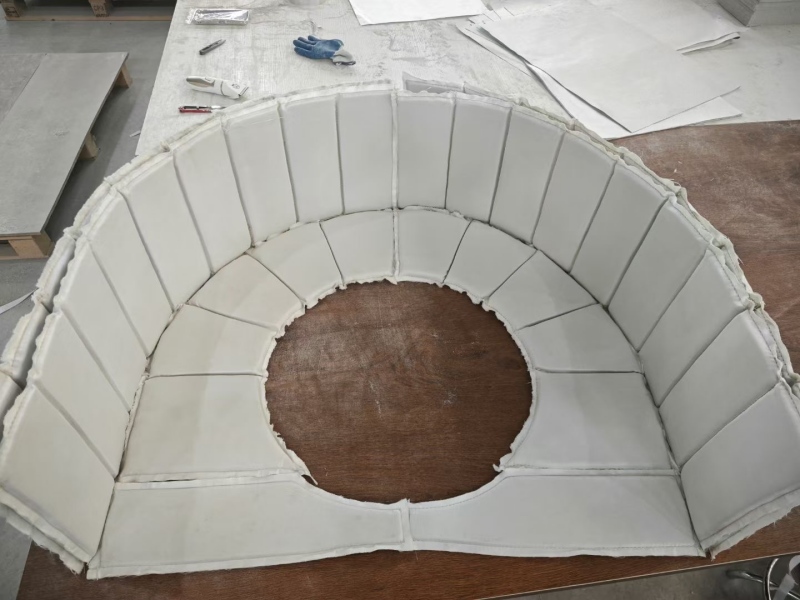
In addition to their exceptional thermal performance, rigid microporous boards are resistant to thermal shock, making them well-suited for use in environments with rapid temperature fluctuations. Their low thermal conductivity significantly reduces energy consumption and heat loss, leading to greater operational efficiency. These materials are also non-combustible and environmentally friendly, containing no harmful fibers or substances, ensuring safety and compliance with industry standards. Furthermore, they can be easily cut and shaped to fit complex geometries, offering customized solutions for various industrial applications, from furnaces and kilns to petrochemical processing and power generation.
Products
The rigid boards provide robust and durable insulation solutions, maintaining structural integrity even under extreme conditions.

A standard-grade product primarily composed of 7-12 nm gaseous silica. It offers 3-6 times better insulation than…

A hydrophobic product, offering water-repellent properties throughout, suitable for use in moist or steamy environments.

Designed for low-temperature kilns, this grade can withstand up to 800°C. It offers a high cost-performance ratio…

Specifically developed for the cement industry’s kilns, generally encapsulated with POF film.

Made from nano SiO2 and ZrSiO, is a white product designed to withstand temperatures up to 1050°C efficiently.

Utilizes nano alumina as its primary ingredient, withstanding temperatures up to 1150°C, perfect for high…
Zhengzhou Firebird New Material Co., Ltd



Application of Microporous Board
Microporous boards is a high-performance thermal material created by dry pressing nanophase silica dioxide with select additives through a specialized process.
- Metallurgy: Forging furnaces; reheating furnaces; soaking pit covers; heat barriers.
- Oil and Gas: Crackers; distillation units; reformers.
- Ceramics: Kilns (roller, tunnel, shuttle); kiln cars.
- Aluminum: Pyrolysis cells; holding/melting furnaces; launders; metal transfer systems.
- Glass: Melting furnaces; regenerators; refiners; forehearth, heat treatment systems for glass.
- Steel: Ladles; tundishes; heat treatment furnaces.
- Cement: Decomposition furnaces; material ducts; cyclone tubes.
- Technology and Equipment: Temperature recorders, thermoelectric batteries; elevators.
- Home Appliances: Storage heating electric heaters; electric ceramic stoves.
- Secondary Battery: Insulation for battery cells & packs.


Key Features of Microporous Boards
- High-Temperature Performance: Provides low-density insulation with stable thermal properties, effective up to 1000°C, ensuring high efficiency in demanding environments.
- Safety and Environmental Compliance: Non-combustible and free of harmful fibers, offering user safety and meeting environmental standards.
- Energy Efficiency: Minimizes energy loss and temperature fluctuations, promoting consistent product quality and improved operational efficiency.
- Optimized Design and Capacity: Thin, efficient insulation maximizes operational capacity and improves space utilization.
- Safety and Durability: Highly machinable, reduces cold face temperatures, prevents hot spots, and minimizes metal fatigue, enhancing operational safety and extending equipment lifespan.
- Cost-Effective for Low-Temperature Kilns: Specifically designed for kilns up to 800°C, offering excellent cost-performance by reducing expenses and boosting market competitiveness.
Molding Method
Microporous boards are molded using machine press molding (primarily for boards):
- Unlike bricks, microporous boards require no drying or sintering.
- After pressing, the boards can be cut to meet various size specifications.
- For glass fiber cloth-covered types, there are two production methods:
a. The powder is placed into a fiberglass bag and then pressed, resulting in cambered edges.
b. After pressing and molding, the boards are wrapped and cut, creating right-angle edges.


What makes microporous board thermal conductivity lower than still air?
Microporous boards leverage their unique nanoporous structure and the synergistic effects of various additives to remarkably inhibit heat transfer through conduction, convection, and radiation across a wide range of temperatures. This superior performance positions them ahead of traditional insulation materials such as mineral wool, perlite, insulating bricks, calcium silicate, and ceramic fibers, as well as aerogel felts. Notably, in most temperature ranges, the thermal conductivity of microporous boards is lower than that of static air.
Key features and benefits of microporous insulation materials include:
- Nanoscopic Structure: The small particle size reduces contact area, significantly decreasing heat transfer via conduction.
- Nanoporous Composition: Pore diameters around 20nm effectively trap gas molecules, virtually eliminating internal convection.
- Anti-Infrared Properties: Incorporation of anti-infrared powders blocks and reflects infrared radiation, especially effective at high temperatures, further reducing heat transfer.
These combined properties make microporous materials exceptionally efficient for thermal insulation, offering unparalleled performance across various industrial and high-temperature applications.
Multiple Surface Covering Choices
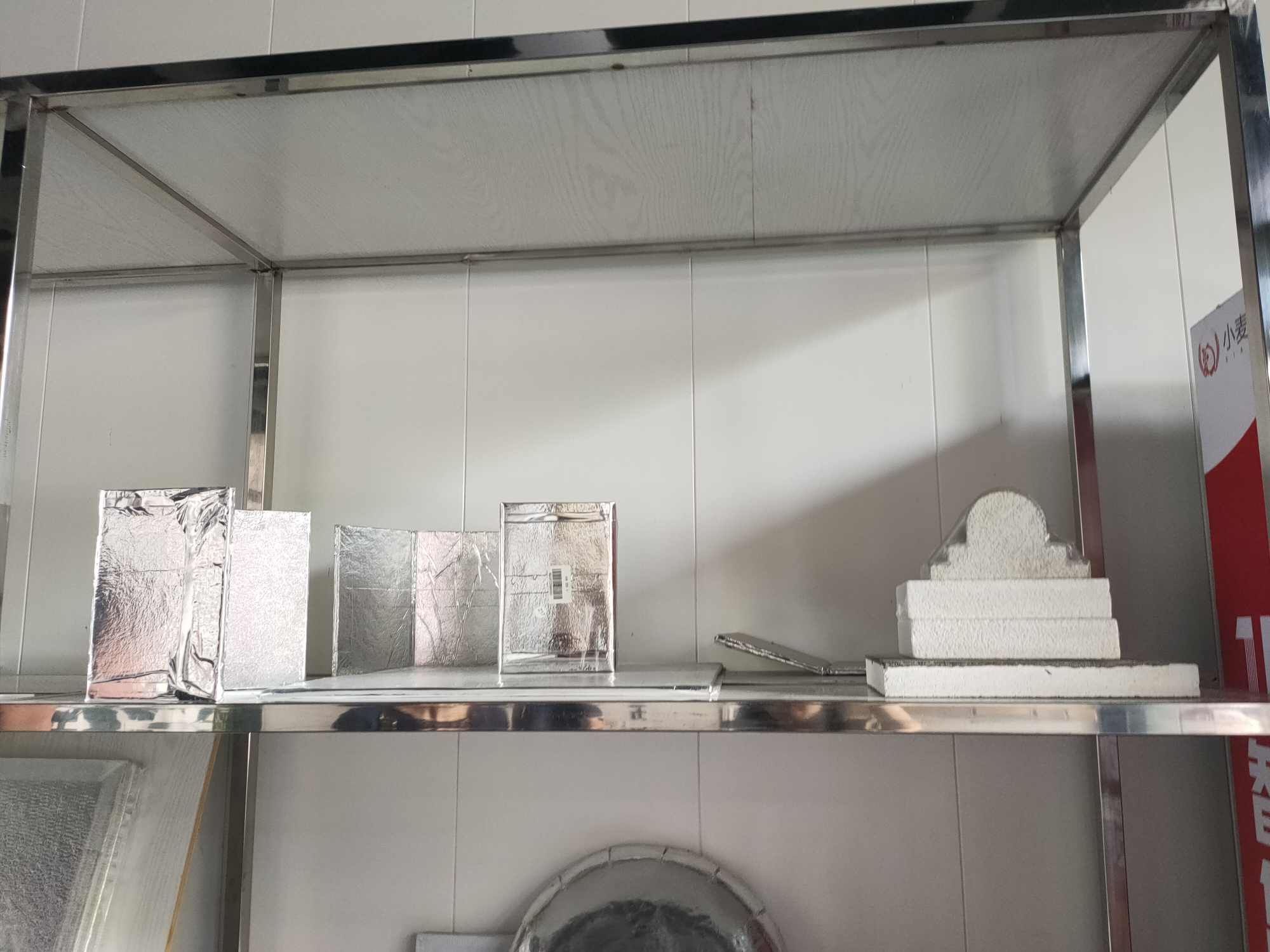
Depending on factors like product type, operating temperature, handling requirements, and environmental conditions, microporous boards are available with various standard covering materials. These include:
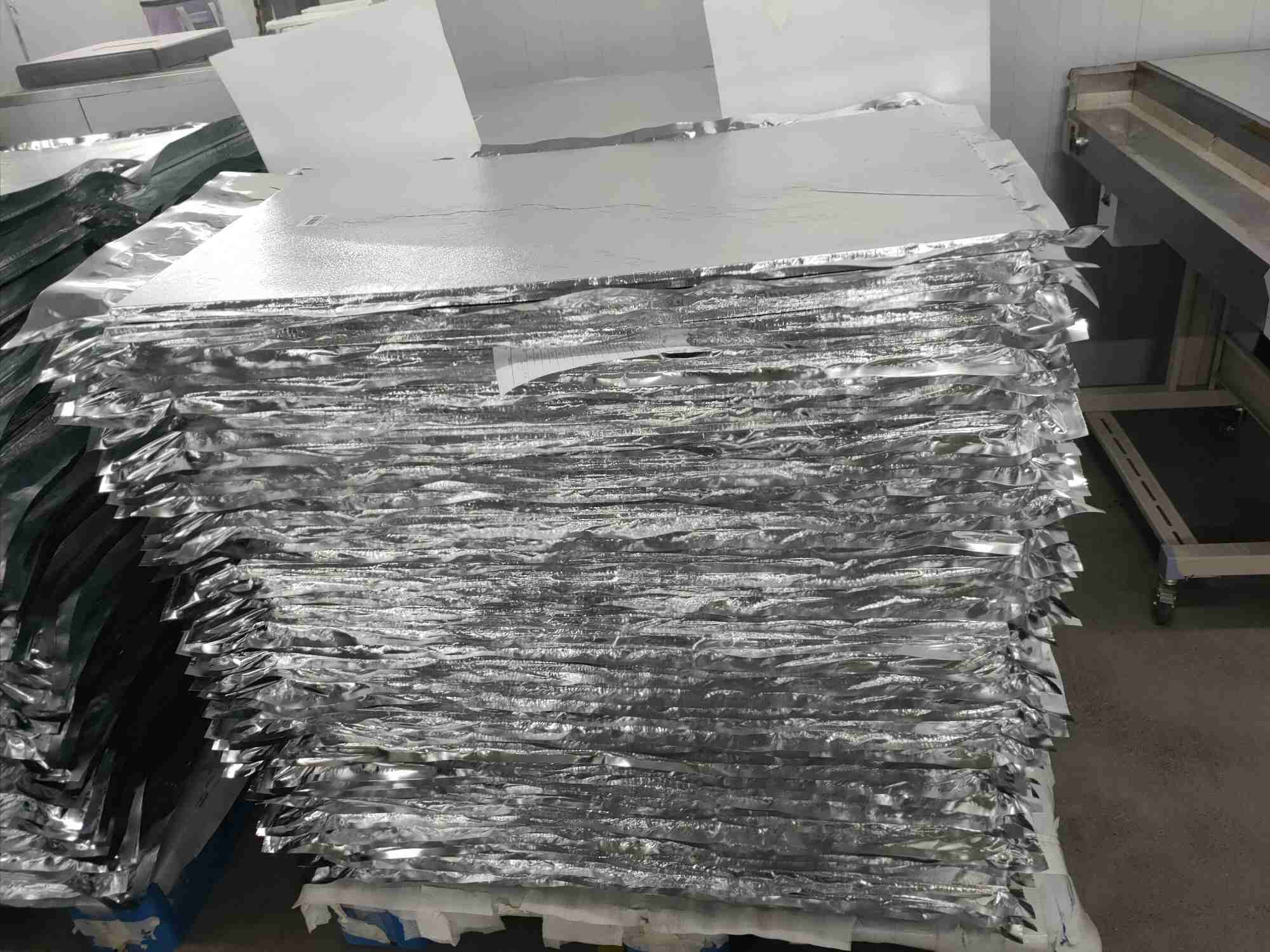
– Aluminum Foil Covering
– Aluminum Foil Cloth Covering
– POF (Polyolefin) Film Covering
– Non-woven Fabric Covering
– Fiberglass Cloth Covering
Each covering material is chosen to suit specific application needs, ensuring optimal performance and durability in diverse industrial and operational settings.


- Technical Parameters
- Photo Gallery
| Grade | Unit | MIP-950 | MIP-950 HY | MIP-800 | MIP-580 | MIP-1050 | MIP-1150 | |
| Color | Grey | Grey | Grey | Grey | White | White | ||
| Classification Temperature | ℃ | 950 | 950 | 800 | 800 | 1100 | 1200 | |
| Main Composition | SiO2 SiC | SiO2 SiC | SiO2 SiC | SiO2 SiC | SiO2 ZrSiO4 | Al2O3 | ||
| Typical Density | kg/cm3 | 280 | 280 | 280 | 580 | 280 | 450 | |
| Compression Strength (10% deformation) | MPa | ≥0.3 | ≥0.2 | ≥0.3 | ≥0.5 | ≥0.3 | ≥0.3 | |
| Shrinkage, full soak @ (°C*12h) | % | ≤2 (950) | ≤2 (950) | ≤2 (800) | ≤2 (800) | ≤2 (1000) | ≤2 (1100) | |
| Shrinkage, one side @ (°C*12h) | % | ≤0.5 (950) | ≤0.5 (950) | ≤0.5 (800) | ≤0.5 (800) | ≤0.5 (1000) | ≤0.5 (1100) | |
| Thermal Conductivity | 200℃ | W/m.K | 0.020 | 0.020 | 0.020 | 0.020 | 0.020 | |
| 400℃ | 0.024 | 0.024 | 0.024 | 0.045 | 0.026 | 0.020 | ||
| 600℃ | 0.028 | 0.028 | 0.028 | 0.058 | 0.030 | 0.035 | ||
| 800℃ | 0.031 | 0.031 | 0.031 | 0.075 | 0.042 | 0.045 | ||
| Standard Sizes | L* W: | mm | 1000*600; 600*500 | 1000*600; 600*500 | 1000*600; 600*500 | 1000*600; 600*500 | 1000*600; 600*500 | 1000*600; 600*500 |
| Thickness: | mm | 5-50mm | 5-50mm | 5-50mm | 5-50mm | 5-50mm | 5-50mm | |
| Dimension Tolerance | Length and width direction: ±3mm; Thickness direction: ±1mm | |||||||
| Covering | The available options include bare board, POF film-covered, aluminum foil cloth-covered aluminum foil-covered, fiberglass cloth-covered, and non-woven fabric-covered. | |||||||
| Remarks | • Customization of microporous boards & panels are available for dimensions up to 2800*780 mm and thicknesses from 1mm to 60 mm. • Density and technical specifications vary based on size and thickness. • Exposure to water and other liquids can permanently damage the microporous structure of the material, leading to a significant loss in its insulation capabilities. This vulnerability is a critical technical limitation to be considered in its application and handling. | |||||||



Related Products




Why Choose Firebird?
At Firebird, we focus on one thing: delivering reliable refractory materials to our customers. To learn more about our refractory products, please visit our main website.
We have built a network of trusted manufacturers, and we use our experience to ensure that the products you receive meet your standards, every time. Our goal is to ensure you get the right materials at the right time, without complications.
Absolutely! We welcome plant audits and visits to our facilities. Please note that Firebird insulation refractory and high-performance refractories are manufactured in separate plants. Let us know your requirements, and we can arrange a convenient schedule for your visit to ensure a smooth and informative experience.
Yes, we provide free samples for testing purposes. However, customers are responsible for covering the courier charges associated with shipping the samples.
Our standard delivery time is generally between 10 to 15 days for most products. However, for specialized or customized bricks, the delivery time may extend to approximately one month. We strive to meet our customers’ timelines and will provide an estimated delivery date upon order confirmation.
We focus on transparency and quality at every step. After your order is placed, we:
- Share a detailed production plan.
- Provide weekly progress updates.
- Deliver a comprehensive test report for each batch.
- Carefully inspect the appearance, size, and weight of every product.
- Send shipment photos to keep you informed throughout the process.
This ensures complete visibility and trust in our manufacturing process.
We accept payments via T/T (Telegraphic Transfer) in major currencies such as Euro (EUR) and US Dollar (USD). Our payment terms are flexible, and we can accommodate different payment schedules based on the agreement.