


Microporous Board MIP-950
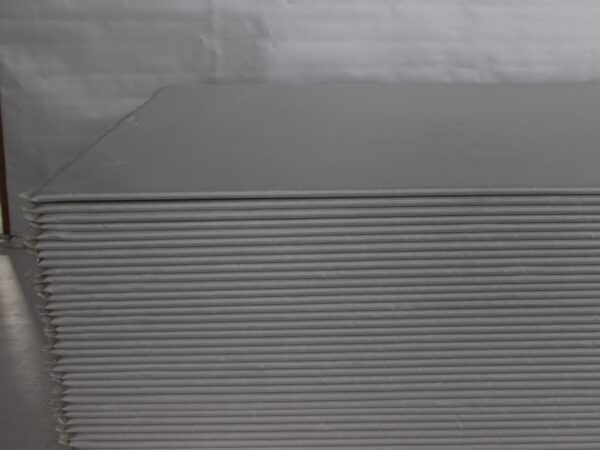
| Appearance: | Grey board-like material (core) |
|---|---|
| Composition: | SiO2, SiC, and others |
| Dimensions: | 1000*600mm, customizable within a range of 2800*780mm (depending on surface area and thickness) |
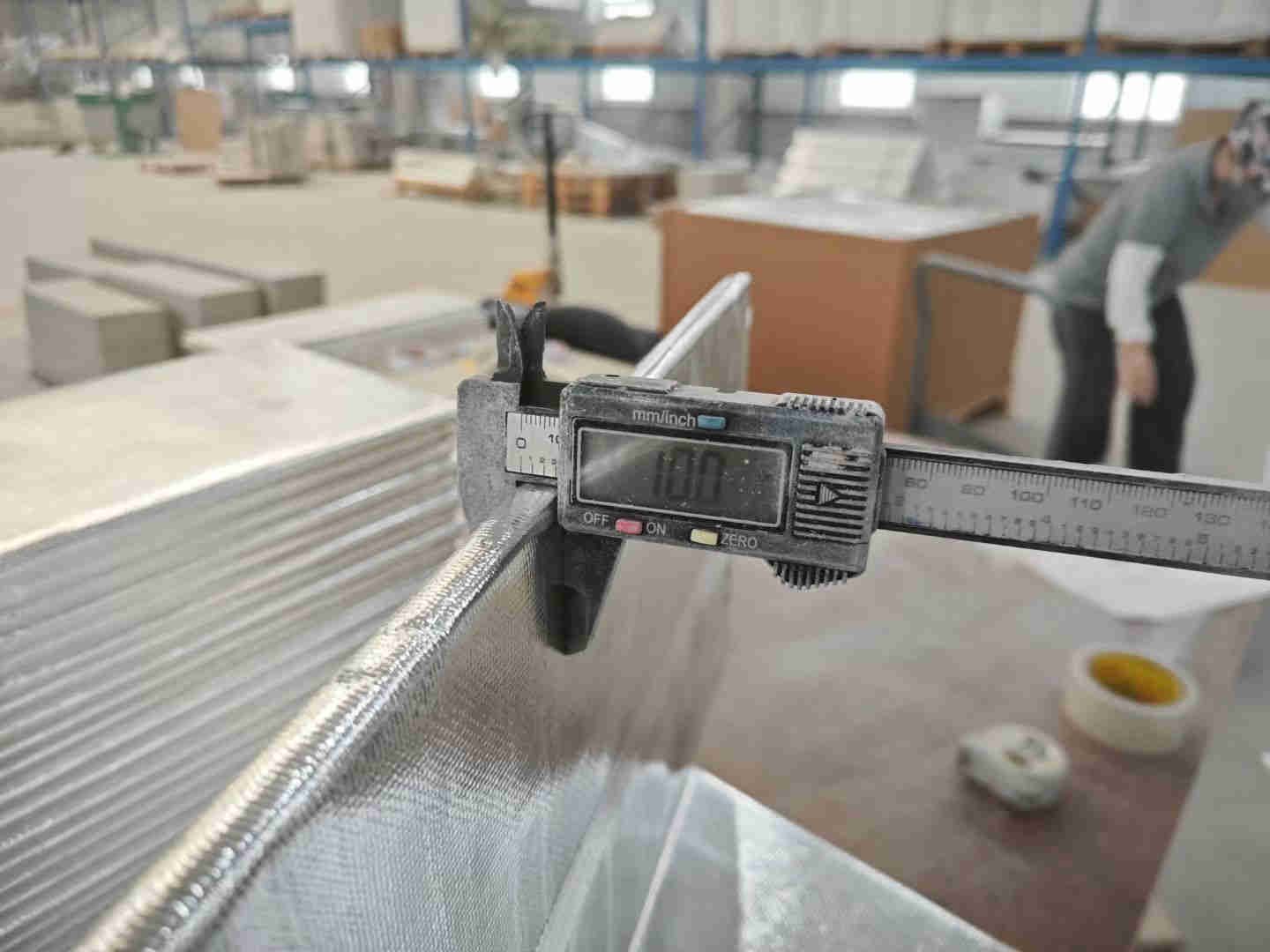
| Thickness: | 5-50mm |
| Dimensional Tolerance: | Length and width: ±3mm; Thickness: ±1mm |
| Special Shapes: | Custom cutting, drilling, and shaping can be provided according to customer requirements. |
Brief of MIP-950 Microporous Board
MIP-950 Microporous Board is a standard-grade, high-performance insulation product made from 7-12 nm gaseous silica. It delivers 3-6 times better insulation compared to traditional materials like calcium silicate and ceramic fibers, ensuring superior energy efficiency and heat management. The microporous structure effectively reduces heat transfer through conduction, convection, and radiation, making it ideal for high-temperature industrial applications.
MIP-950 is commonly used in metallurgy, glass furnaces, ceramic kilns, and steel ladles, providing stable, long-lasting insulation in environments up to 950°C.
- Technical Parameters
| Grade | Unit | MIP-950 | MIP-950 HY | MIP-800 | MIP-580 | MIP-1050 | MIP-1150 | |
| Color | Grey | Grey | Grey | Grey | White | White | ||
| Classification Temperature | ℃ | 950 | 950 | 800 | 800 | 1100 | 1200 | |
| Main Composition | SiO2 SiC | SiO2 SiC | SiO2 SiC | SiO2 SiC | SiO2 ZrSiO4 | Al2O3 | ||
| Typical Density | kg/cm3 | 280 | 280 | 280 | 580 | 280 | 450 | |
| Compression Strength (10% deformation) | MPa | ≥0.3 | ≥0.2 | ≥0.3 | ≥0.5 | ≥0.3 | ≥0.3 | |
| Shrinkage, full soak @ (°C*12h) | % | ≤2 (950) | ≤2 (950) | ≤2 (800) | ≤2 (800) | ≤2 (1000) | ≤2 (1100) | |
| Shrinkage, one side @ (°C*12h) | % | ≤0.5 (950) | ≤0.5 (950) | ≤0.5 (800) | ≤0.5 (800) | ≤0.5 (1000) | ≤0.5 (1100) | |
| Thermal Conductivity | 200℃ | W/m.K | 0.020 | 0.020 | 0.020 | 0.020 | 0.020 | |
| 400℃ | 0.024 | 0.024 | 0.024 | 0.045 | 0.026 | 0.020 | ||
| 600℃ | 0.028 | 0.028 | 0.028 | 0.058 | 0.030 | 0.035 | ||
| 800℃ | 0.031 | 0.031 | 0.031 | 0.075 | 0.042 | 0.045 | ||
| Standard Sizes | L* W: | mm | 1000*600; 600*500 | 1000*600; 600*500 | 1000*600; 600*500 | 1000*600; 600*500 | 1000*600; 600*500 | 1000*600; 600*500 |
| Thickness: | mm | 5-50mm | 5-50mm | 5-50mm | 5-50mm | 5-50mm | 5-50mm | |
| Dimension Tolerance | Length and width direction: ±3mm; Thickness direction: ±1mm | |||||||
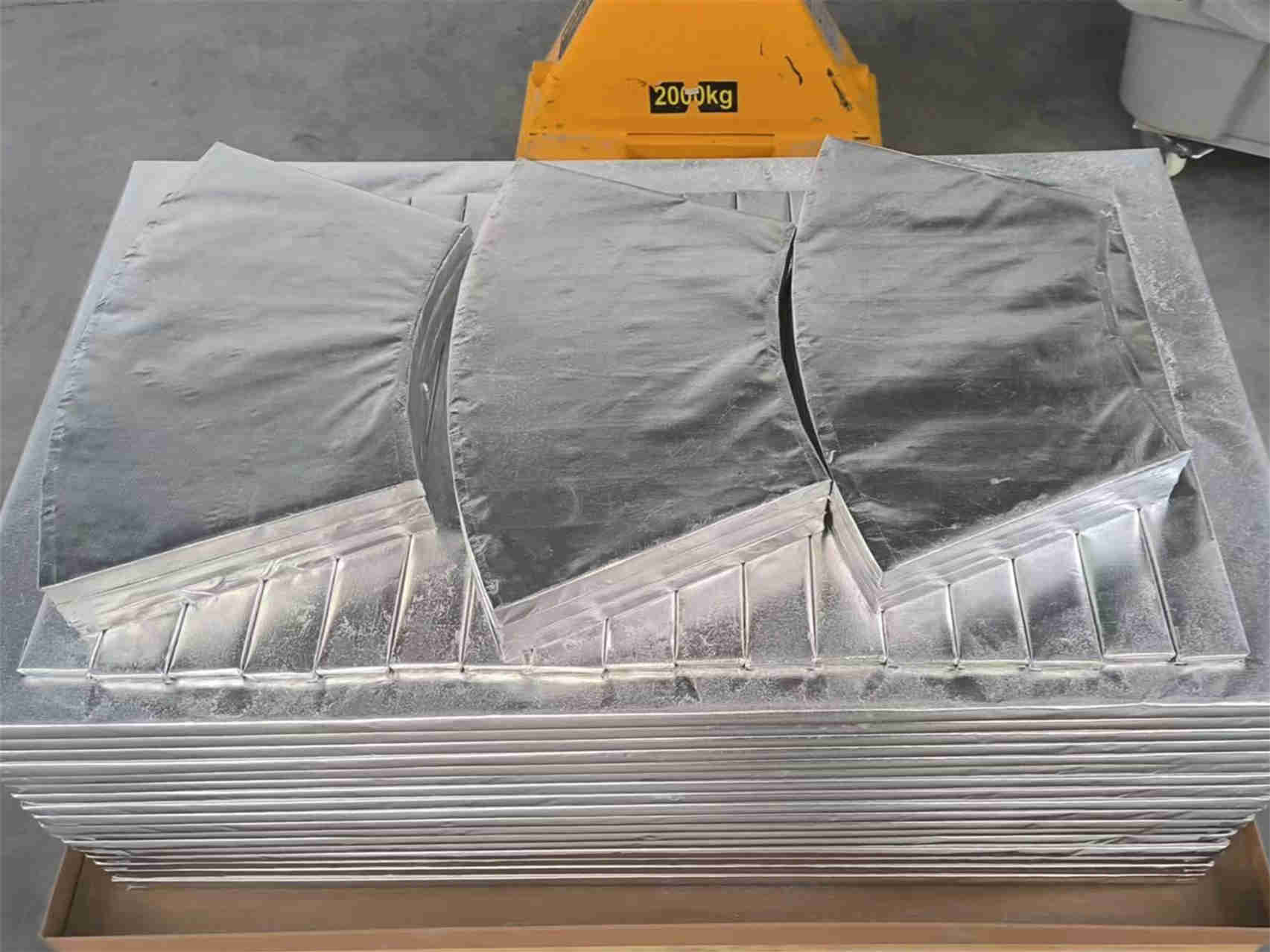
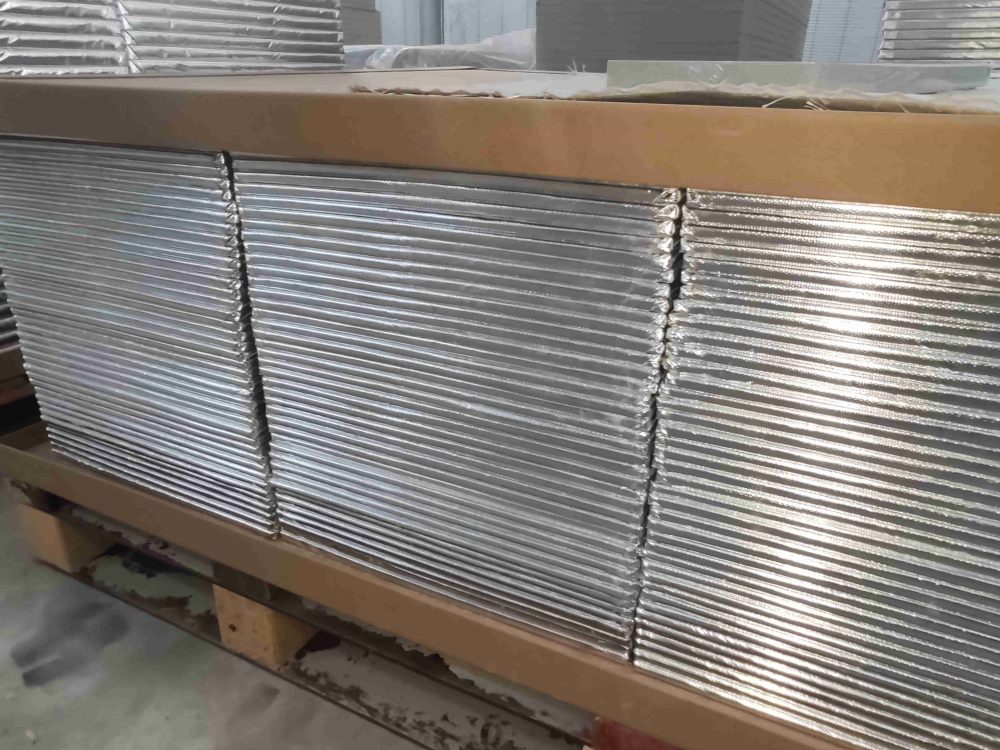
| Covering | The available options include bare board, POF film-covered, aluminum foil cloth-covered aluminum foil-covered, fiberglass cloth-covered, and non-woven fabric-covered. | |||||||
| Remarks | • Customization of microporous boards & panels are available for dimensions up to 2800*780 mm and thicknesses from 1mm to 60 mm. • Density and technical specifications vary based on size and thickness. • Exposure to water and other liquids can permanently damage the microporous structure of the material, leading to a significant loss in its insulation capabilities. This vulnerability is a critical technical limitation to be considered in its application and handling. | |||||||
Key Features of Microporous Board
- High-Temperature Performance: Offers low-density insulation with stable thermal properties, effective up to 1000°C, ensuring high efficiency in extreme conditions.
- Safety and Environmental Compliance: Non-combustible and free from harmful respirable fibers, guaranteeing user safety and environmental protection.
- Energy Efficiency: Reduces energy waste and temperature variability, leading to consistent product quality and operational efficiency.
- Enhanced Design and Capacity: The insulation’s thin yet effective design allows for increased operational capacity and better space utilization.
- Operational Safety and Durability: Excellent machinability for diverse applications and minimizes cold face temperatures, reducing hot spots and metal fatigue for safer and longer-lasting operations.
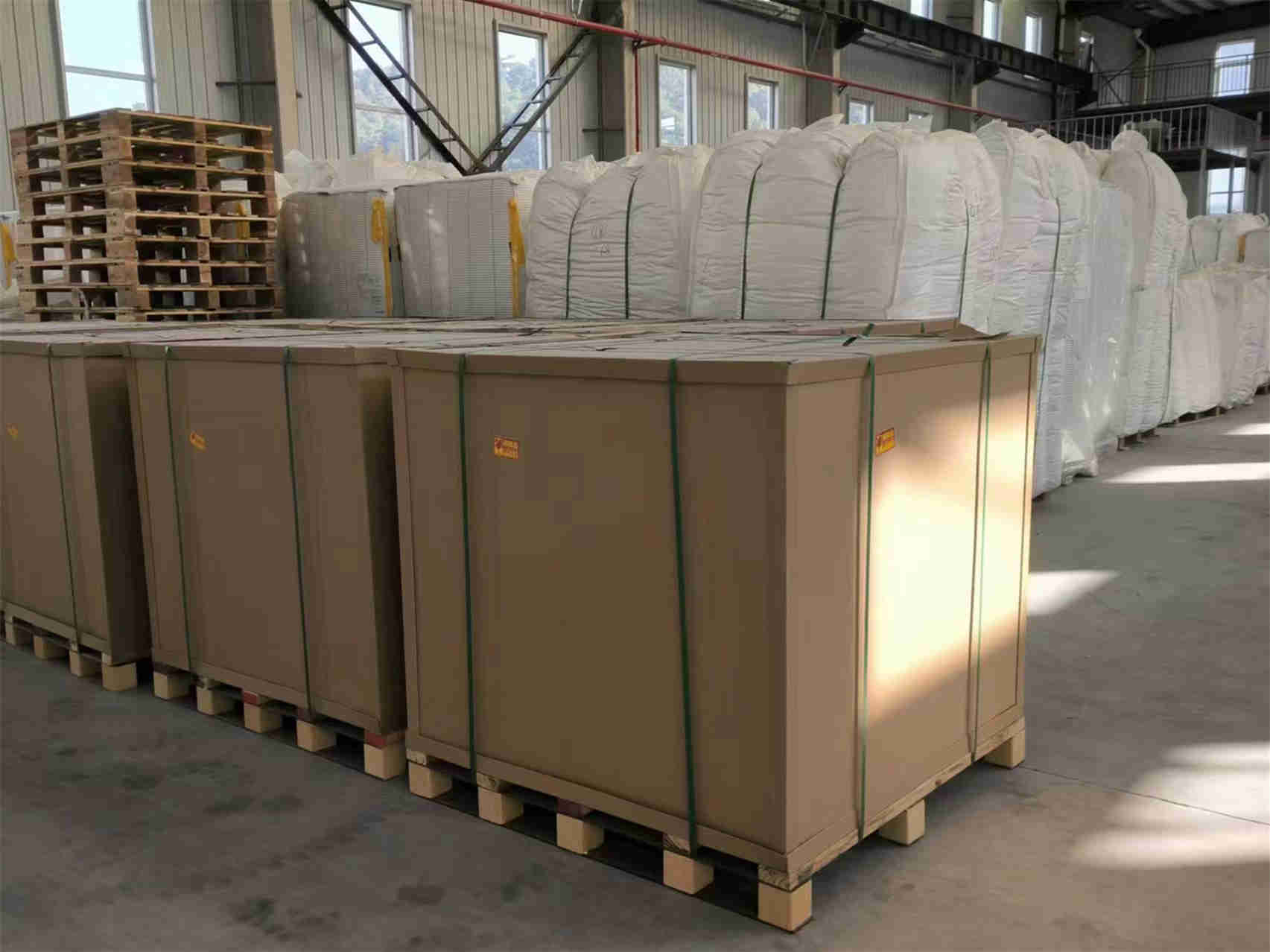
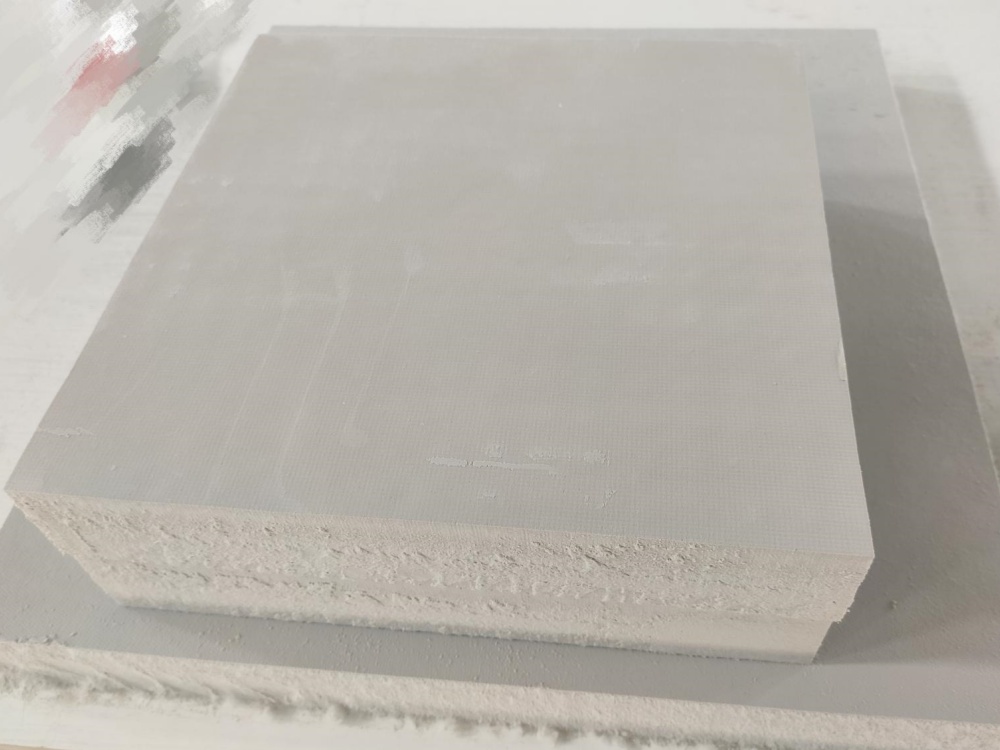
Application of Microporous Board
Microporous board is a high-performance thermal material created by dry pressing nanophase silica dioxide with select additives through a specialized process.
- Metallurgy: Forging furnaces; reheating furnaces; soaking pit covers; heat barriers.
- Oil and Gas: Crackers; distillation units; reformers.
- Ceramics: Kilns (roller, tunnel, shuttle); kiln cars.
- Aluminum: Pyrolysis cells; holding/melting furnaces; launders; metal transfer systems.
- Glass: Melting furnaces; regenerators; refiners; forehearth, heat treatment systems for glass.
- Steel: Ladles; tundishes; heat treatment furnaces.
- Cement: Decomposition furnaces; material ducts; cyclone tubes.
- Technology and Equipment: Temperature recorders, thermoelectric batteries; elevators.
- Home Appliances: Storage heating electric heaters; electric ceramic stoves.
- Secondary Battery: Insulation for battery cells & packs.
What makes microporous board thermal conductivity lower than still air?
Microporous boards utilize their distinctive nanoporous structure and the combined effects of multiple additives to effectively minimize heat transfer through conduction, convection, and radiation over a broad temperature range. This exceptional performance puts them ahead of traditional insulation materials like mineral wool, perlite, insulating bricks, calcium silicate, ceramic fibers, and even aerogel blankets. In many temperature ranges, microporous boards has a thermal conductivity lower than that of still air.
Key characteristics and advantages of microporous boards include:
- Nanoscopic Structure: The tiny particle size reduces surface contact, drastically cutting down heat transfer via conduction.
- Nanoporous Design: With pore sizes around 20nm, gas molecules are trapped, virtually eliminating internal convection.
- Infrared Blocking: The addition of infrared-reflective powders blocks and reflects radiant heat, especially at high temperatures, further decreasing heat transfer.
These combined attributes make microporous materials highly efficient for thermal insulation, delivering unmatched performance in a variety of industrial and high-temperature environments.


Variety of Surface Covering Options
Based on factors such as product type, operating temperatures, handling demands, and environmental conditions, microporous boards are offered with several standard covering materials. These include:
– Aluminum Foil Coating
– Aluminum Foil Fabric Coating
– Polyolefin (POF) Film Coating
– Non-woven Fabric Coating
– Fiberglass Fabric Coating
Each covering is selected to meet specific application requirements, ensuring excellent performance and durability across various industrial and operational environments.
Related Products
Firebird offers a range of products including rigid boards & panel, flex felts & blanket, custom shapes, and granules, each differing in fabrication method to cater to diverse working environments and specific application needs.


Why Choose Firebird?
At Firebird, we focus on one thing: delivering reliable refractory materials to our customers. To learn more about our refractory products, please visit our main website.
We have built a network of trusted manufacturers, and we use our experience to ensure that the products you receive meet your standards, every time. Our goal is to ensure you get the right materials at the right time, without complications.
Absolutely! We welcome plant audits and visits to our facilities. Please note that Firebird insulation refractory and high-performance refractories are manufactured in separate plants. Let us know your requirements, and we can arrange a convenient schedule for your visit to ensure a smooth and informative experience.
Yes, we provide free samples for testing purposes. However, customers are responsible for covering the courier charges associated with shipping the samples.
Our standard delivery time is generally between 10 to 15 days for most products. However, for specialized or customized bricks, the delivery time may extend to approximately one month. We strive to meet our customers’ timelines and will provide an estimated delivery date upon order confirmation.
We focus on transparency and quality at every step. After your order is placed, we:
- Share a detailed production plan.
- Provide weekly progress updates.
- Deliver a comprehensive test report for each batch.
- Carefully inspect the appearance, size, and weight of every product.
- Send shipment photos to keep you informed throughout the process.
This ensures complete visibility and trust in our manufacturing process.
We accept payments via T/T (Telegraphic Transfer) in major currencies such as Euro (EUR) and US Dollar (USD). Our payment terms are flexible, and we can accommodate different payment schedules based on the agreement.