


Introduction
Nano insulation boards (also called microporous panels) are new materials made for high heat resistance. Widely adopted in high-temperature industrial applications like metallurgical reactors, marine engine compartments, and fire-rated elevator systems, their low thermal conductivity ensures unmatched energy efficiency. To achieve these benefits, precise installation methods are critical.
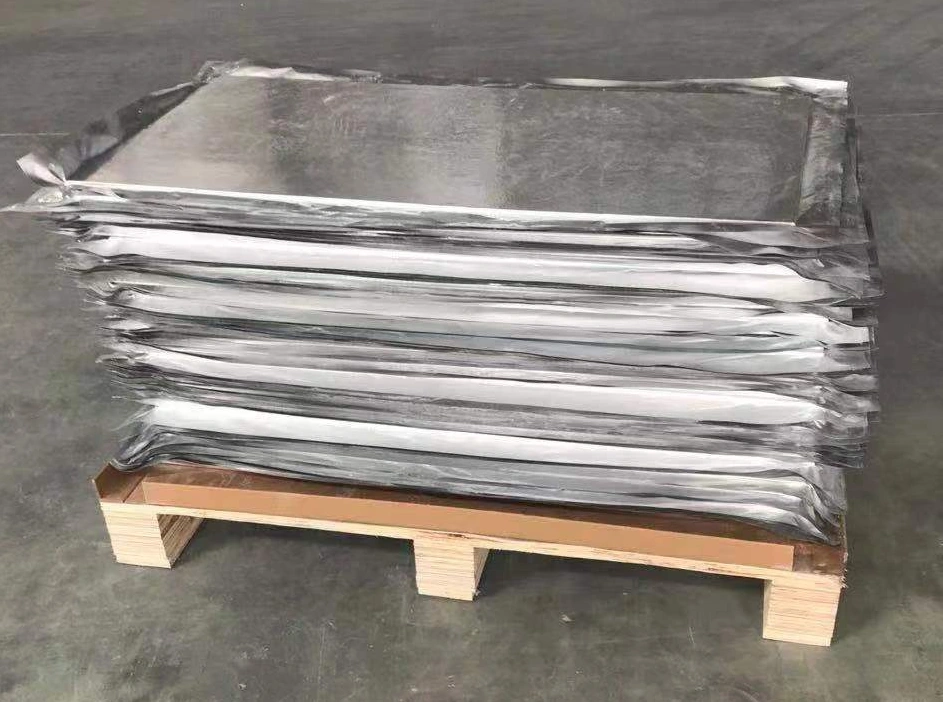
Optimized Installation Process
1. Pre-Installation Site Assessment
Evaluate the surface geometry (flat/curved)and structural anchors to determine board placement.
Minimize fabrication: Preserve the original dimensions of nano boards to avoid compromising the silica-based microporous core.
2. Vertical Alignment Protocol
Install boards vertically downward, starting from the highest point.
Ensure lateral and horizontal seams are airtight (gap ≤1mm) using laser-level calibration tools.
3. Precision Fabrication Techniques
Use a carbide-tipped scoring knife for cutting:
① Mark dimensions with a calibrated tape measure.
② Score along the line with 3 light passes, then snap the board cleanly.
Tip: Replace aluminum foil cuts with diamond-coated shears to prevent delamination.
4. Seam Sealing & Contaminant Control
Apply high-temp aluminum adhesive tape (≥300°C rated) immediately after cutting to seal edges.
Store unused board sections in vacuum-sealed bags to prevent nanopore contamination.
5. Anchor Integration Strategies
For fixed anchors (e.g., ship hull installations), use a heated blade cutter to create <2mm diameter holes.
Apply graphite lubricant on anchor bolts to prevent friction damage during insertion.
6. On-Site Drilling Best Practices
Stabilize nano boards with polycarbonate clamping plates before drilling.
Use low-RPM drill bits (500-800rpm) with reverse spirals to minimize dust generation.
Enhanced Technical Specifications & Precautions
Thermal Bridging Prevention: Use ceramic-based spacers between multi-layer installations.
Moisture Management: Retain the factory-applied hydrophobic coating during handling. Avoid solvent-based cleaners.
Waste Reduction: Calculate material usage with 3D modeling software (e.g., AutoCAD Thermal) to optimize cuts.

Conclusion
Maximizing nano insulation board efficiency requires adherence to nanomaterial-specific protocols. From precision cutting with carbide tools to vacuum-sealed storage, these methods ensure compliance with ASTM C1484-19 industrial standards while delivering 40% higher energy retention than traditional materials.
Stay Connected
For live updates and behind-the-scenes content, follow us on:
- LinkedIn: Firebird LinkedIn
- YouTube: Firebird YouTube
- Facebook: Firebird Facebook
- Website: Firebird main website