


Introduction
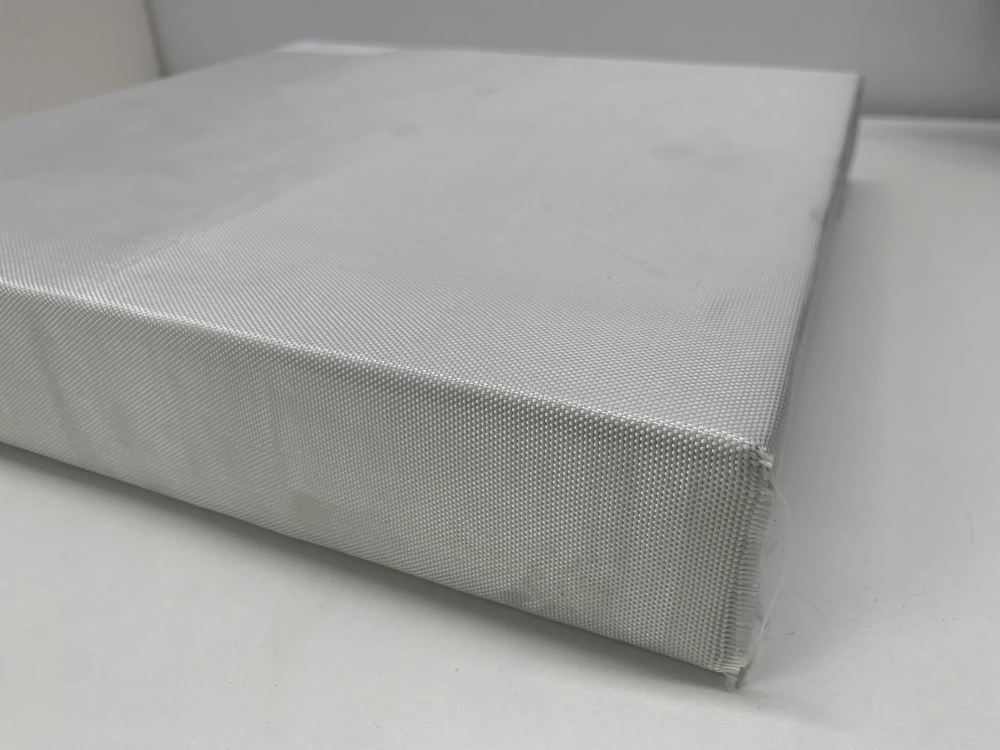
Nano-insulation materials, a novel high-tech class, show great potential in many fields due to their standout traits. Their unique structure and performance address the limitations of traditional insulation materials in terms of thermal efficiency, durability, and environmental friendliness. This article explores the applications of nano-insulation materials in sectors such as renewable energy, construction, aerospace, and electronics, supported by real-world case studies that highlight their effectiveness and future prospects.
Applications in Renewable Energy
1. Solar Energy
In the solar energy sector, nano-insulation materials enhance the efficiency and stability of solar panels. For instance, integrating nano-insulation layers into solar panel encapsulants significantly reduces heat transfer, lowering the panels’ operating temperature. Studies show that for every 1°C reduction in temperature, solar panel efficiency increases by approximately 0.5%. A leading solar energy company adopted nano-insulation encapsulation technology, resulting in a 3% efficiency boost in high-temperature environments and extending the panels’ lifespan.
2. Electric Vehicles
Electric vehicle (EV) battery packs generate substantial heat during charging and discharging, impacting performance and longevity. Nano-insulation materials are used in battery insulation and thermal management systems. A prominent EV brand incorporated nano-insulation coatings in its battery pack casing, reducing internal temperature fluctuations, improving charge-discharge efficiency, and extending battery life. Field tests revealed a 10% increase in driving range under similar conditions.
Applications in Construction
1. Exterior Wall Insulation
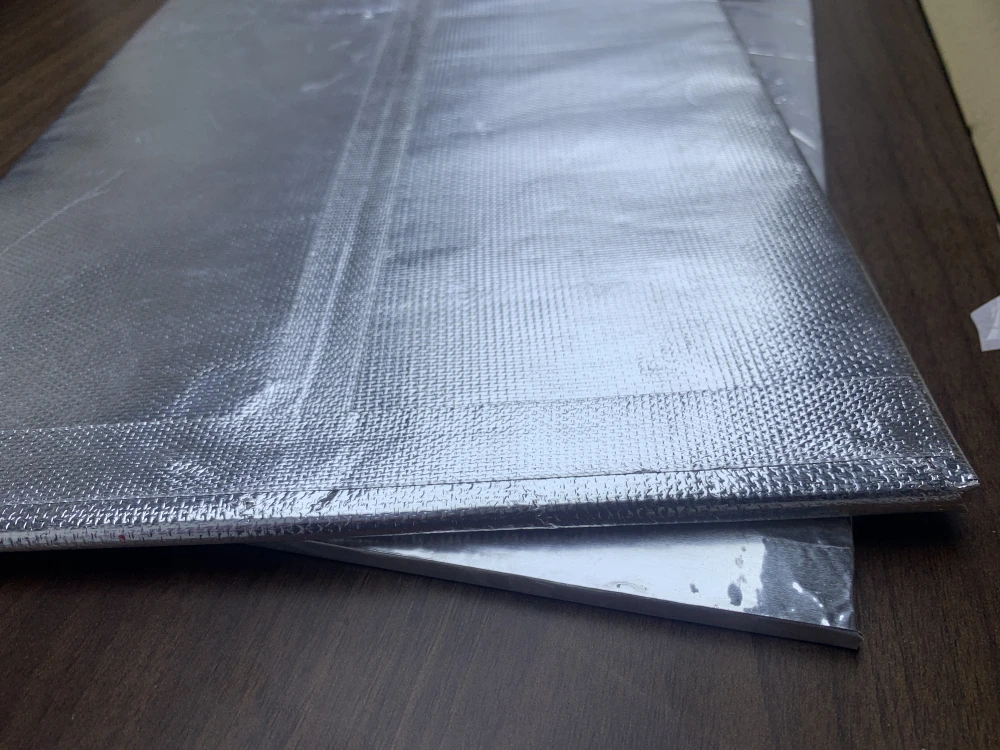
Nano-insulation materials enhance the energy efficiency of buildings by improving exterior wall insulation. Traditional materials often suffer from poor insulation and excessive thickness, whereas nano-insulation materials offer superior thermal performance with minimal thickness. For example, a high-rise commercial building using nano-insulation coatings reduced wall thickness by 30% while improving insulation by 20%, significantly lowering energy consumption.
2. Window and Door Insulation
Windows and doors are critical areas for heat loss in buildings. Nano-insulation glass, featuring thin-film coatings, blocks infrared and ultraviolet rays while maintaining high visible light transmittance. A residential complex implemented nano-insulation glass, reducing indoor summer temperatures by 3-5°C and minimizing winter heat loss, leading to improved comfort and reduced heating and cooling costs.
Applications in Aerospace
In aerospace, reducing weight and enhancing insulation are critical for performance and safety. Nano-insulation materials, known for their lightweight and high thermal efficiency, are used in spacecraft thermal protection systems. For example, nano-insulation coatings in rocket engine nozzles and combustion chambers mitigate high-temperature effects, enhancing reliability and lifespan. Additionally, applying these materials to satellite and space station exteriors minimizes heat exchange in space, ensuring equipment functionality.
Applications in Electronics
1. Smartphones and Tablets
As electronic devices become more powerful, thermal management becomes a challenge. Nano-insulation materials in chip heat dissipation modules improve cooling efficiency and reduce device temperatures. A leading smartphone brand integrated nano-insulation heat spreaders in its latest model, addressing overheating during high-performance tasks like gaming and enhancing user experience.
2. Computers and Servers
In computing, nano-insulation materials are used in CPU and GPU cooling systems, as well as server room insulation. These materials lower operating temperatures, enhance stability, and reduce energy consumption, ensuring optimal performance.
Analysis of Application Outcomes
1. Significant Energy Savings
In construction and renewable energy, nano-insulation materials have reduced energy consumption by 20%-30% and improved equipment efficiency by 5%-10%, contributing to energy conservation and sustainable development.
2. Enhanced Performance
In electronics and aerospace, nano-insulation materials have lowered operating temperatures, extended lifespans, and improved reliability and safety.
3. Optimized Space Utilization
The high thermal efficiency of nano-insulation materials allows for thinner applications, saving space. This has enabled more compact and flexible designs in construction and electronics.
Stay Connected
For live updates and behind-the-scenes content, follow us on:
- LinkedIn: Firebird LinkedIn
- YouTube: Firebird YouTube
- Facebook: Firebird Facebook
- Website: Firebird main website