


1. Introduction
At a time of rising energy costs and increasingly stringent requirements for energy conservation in industrial production, highly efficient thermal insulation materials have become the focus of attention in many industries. Nano-microporous insulation boards stand out with their excellent thermal insulation performance. Did you know? In the steel smelting process, the use of nano-microporous insulation boards can reduce the heat loss of the furnace by about 30%, which not only saves energy, but also significantly improves the production efficiency. So, what exactly is a nano-microporous adiabatic plate?

Nano-microporous insulation boards are high-performance insulation materials that play a key role in a wide range of fields. From high-temperature industrial production to low-temperature cold-chain logistics, from building fire prevention to equipment protection, nano-microporous insulation boards have demonstrated their unique value, which is significant for improving product quality, ensuring safety, and improving energy efficiency.
2. Composition and structure
(1) Main components
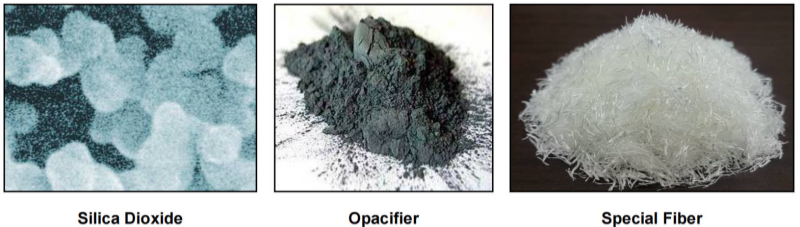
Nano-microporous insulation boards are mainly composed of pyrolytic silica, with the addition of infrared shading agents such as silicon carbide (SiC), zirconium silicate (ZrSiO₄), alumina (Al₂O₃) and reinforced by special fibers. Pyrolytic silica is the basic structure, providing a stable physical support for the sheet. The infrared shading agents effectively block and reflect infrared rays, reducing the transfer of heat radiation. Special fibers, on the other hand, enhance the overall strength of the sheet, making it more durable in various application scenarios.
(2) Nanopore structure
Nano-microporous insulation boards have a unique nanopore structure with a pore size of about 20 nanometers. This tiny pore size is like countless tiny “air traps”, which can lock the gas molecules firmly. The gas molecules are unable to move freely, thus greatly inhibiting internal convection. At the same time, the nanoscale structure reduces the path of heat conduction, reduces the heat conduction inside the material, as in the heat transfer road set up a heavy barrier.
3. Principle of Thermal Insulation
(1) Reduce heat conduction
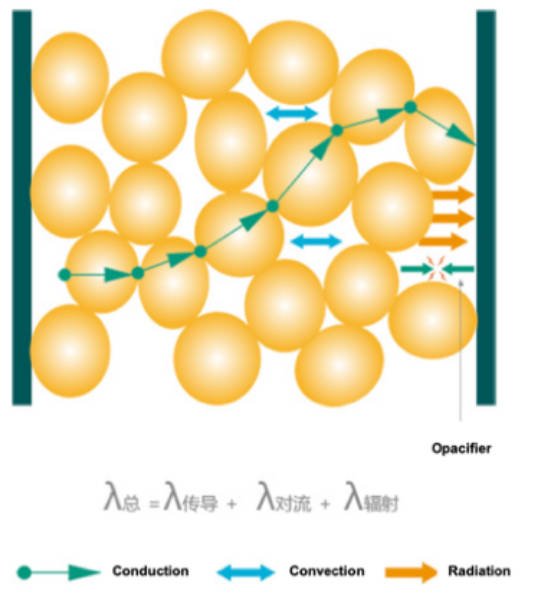
Compared with traditional thermal insulation materials, the microstructure of nano-microporous insulation board greatly reduces the path of heat conduction. There are more solid connection points inside the traditional materials, and heat is easily conducted through these points. The nano structure of the nano-microporous adiabatic plate makes the contact points between the solids greatly reduced, effectively reducing the heat conduction efficiency, so that the heat is difficult to pass in the material.
(2) Suppression of convection
The small nanometer-sized holes inside restrict the gas molecules to a very small space, and the gas cannot form convection circulation. This is like dividing the air into countless tiny “islands”, each of which is unable to exchange heat with the rest of the air, thus preventing the heat from dissipating by convection.
(3) Blocking thermal radiation
Added infrared shading agents play a key role in high-temperature environments. They effectively block and reflect infrared rays, reducing the transfer of heat in the form of radiation. In a high-temperature environment such as a glass manufacturing furnace, IR shading agents can block a large amount of heat radiation, improving the insulation of the furnace and reducing energy consumption.
4. Types and grades
(1) Common types
There are various types of nano-microporous insulation boards . Rigid boards and boards are suitable for use where precise installation and a stable structure are required, such as the lining of industrial furnaces. Flexible felts and blankets, on the other hand, can be easily adapted to complex shapes and are commonly used in curved areas of pipes and equipment. Customized shapes are available to meet the unique needs of special equipment, while granular nano-microporous materials are used to fill irregular spaces and gaps.

(2) Different grade characteristics
Grades of nanoporous insulation boards are categorized primarily based on their temperature resistance and compositional differences. For example, the MIP – 950 grade, which can withstand temperatures up to 1000°C, consists of fumed silica particles (7 – 12 nm) and is the standard grade for a wide range of applications, while the MIP – 1050 grade, which uses nano-sized (SiO₂) and (ZrSiO₄), is suitable for industrial applications at higher temperatures, and the MIP – 1150 grade, which uses nano-sized alumina, can withstand extreme temperatures. MIP – 1150 grade is made of Aluminum Oxide Nanoparticles, which can withstand extreme high temperatures and meet the most demanding high temperature environments.
5. Performance and Advantages
(1) Ultra-low thermal conductivity
The nano structure of nano-microporous insulation board makes its thermal conductivity extremely low, even lower than that of static air. This means that its thermal insulation effect is 3 to 6 times higher than that of traditional materials. In practical applications, using the same thickness of nano-microporous insulation board and traditional insulation materials, nano-microporous insulation board can block heat transfer more effectively and reduce energy consumption.
(2) Excellent high temperature stability
This sheet can maintain excellent thermal insulation performance at temperatures as high as 1200°C. In high temperature reactors in the petrochemical industry, nano-microporous insulation boards can withstand harsh high-temperature environments to ensure stable operation of the equipment, while maintaining good thermal insulation to improve the safety and efficiency of the production process.
(3) lightweight and efficient
Nano-microporous insulation boards achieve the same thermal insulation effect as traditional materials while reducing weight by more than 50%. In weight-sensitive areas such as aerospace and transportation, this lightweight feature not only helps reduce energy consumption, but also improves the overall performance of the equipment.

(4) Environmentally friendly and non-toxic
Nano-microporous insulation boards are free of harmful fibers and toxic substances, meet environmental standards, and can be recycled. This makes it an ideal choice for various industries under the concept of sustainable development, which not only meets the production needs, but also reduces the negative impact on the environment.
(5) High resistance to thermal shock
Its robust composition allows it to remain stable in environments with rapid temperature changes. In the process of steel production, frequent temperature fluctuations are a great test for the insulation material. With its excellent thermal shock resistance, the nano-microporous insulation board can withstand such a test to ensure the normal operation of equipment and reduce maintenance costs.
6. Application areas
(1) High temperature industrial applications
1. Iron and steel metallurgy: In iron and steel production, nano-microporous insulation plate is used in steel ladle, intermediate ladle and heating furnace. It can reduce heat dissipation, improve energy utilization efficiency, and help precisely control the temperature of molten steel, thus improving steel quality and reducing production costs.
2. Glass manufacturing: Nano-microporous insulation boards play an important role in all aspects of glass manufacturing, such as feeding systems, furnaces and annealing furnaces. It can maintain a stable high-temperature environment, ensure the uniform melting and molding of glass, and improve the quality and production efficiency of glass products.
3. Aluminum processing: In aluminum melting and holding furnace, nano-microporous insulation plate can effectively maintain heat, reduce energy consumption, improve the melting speed and yield of aluminum, while reducing production costs.
4. Cement industry: In cement rotary kilns, preheaters and coolers, nano-microporous insulation boards can help stabilize the temperature, improve the thermal efficiency of the kiln, reduce fuel consumption and enhance the overall efficiency of cement production.
5. Petrochemical and power generation: In petrochemical reactors, reformers and power station boilers and other equipment, nano-microporous insulation boards provide stable insulation for high-temperature, highly reactive processes, guaranteeing the safe operation of the equipment and improving the efficiency of energy conversion.
(2) Low temperature applications
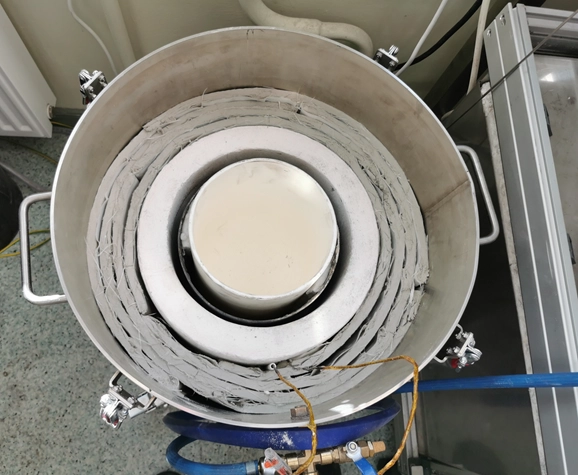
1. Cold chain logistics: in cold storage and transportation refrigerator, nano-microporous adiabatic plate can effectively maintain a low-temperature environment to ensure the quality and safety of perishable food and medicine, and reduce energy consumption in cold chain transportation.
2. cryogenic equipment: used in storage tanks and pipelines for storing liquid gases, nano-microporous adiabatic boards can prevent heat from entering, maintain low temperature, reduce evaporation loss of liquid gases, and improve the safety of storage and transportation.
3. Refrigeration system: in refrigeration and freezing equipment, nano-microporous insulation plate enhances the heat insulation effect, improves the refrigeration efficiency, reduces the energy consumption and prolongs the service life of the equipment.
4. HVAC system: in air handling units, nano-microporous insulation boards reduce heat absorption, improve cooling effect, provide a more comfortable environment for the room, and reduce the energy consumption of air conditioning systems.
(3) Fire prevention applications
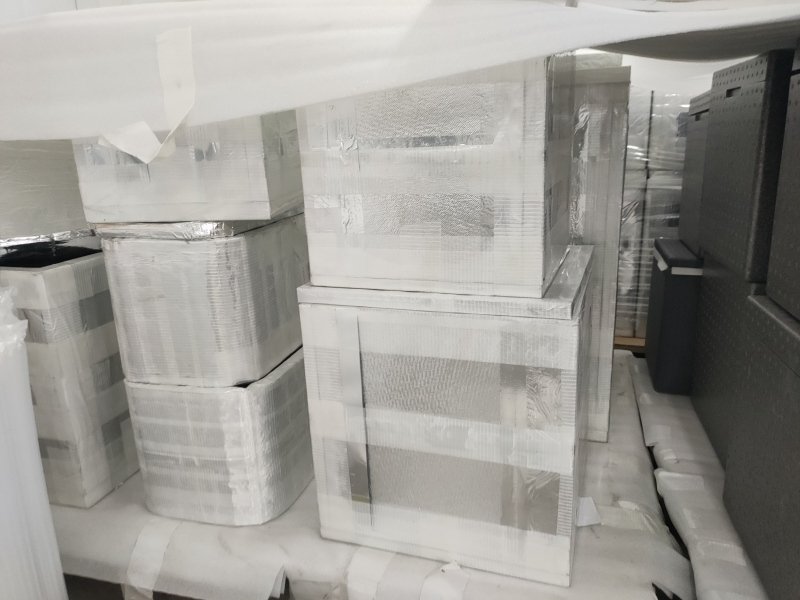
1. Construction industry: Nano-microporous insulation boards are used in fireproof walls and ceilings, which can effectively prevent the spread of flames, buy time for evacuation and fire rescue, and safeguard the safety of life and property.
2. Transportation: In railroads, ships and automobiles and other means of transportation, fireproof boards made of nano-microporous insulation boards can improve the fire safety of transportation and reduce the loss in case of fire.
3. Data center: data centers use nano-microporous insulation boards as fire barriers to protect servers and critical equipment from fire threats, ensuring data security and business continuity.
4. Industrial equipment: Used for fire protection of electrical cabinets and mechanical equipment, nano-microporous insulation boards prevent fire damage to equipment, reducing the risk of production interruption and lowering maintenance costs.
7. Installation and Maintenance
(1) Installation points
When installing the nano-microporous insulation board, make sure the installation surface is clean and flat. If there are impurities or unevenness on the surface, it will affect the fit of the plate and reduce the heat preservation effect. During installation, the appropriate adhesive or fixing piece should be selected according to the type of plate. At the same time, special attention should be paid to avoid the plate contact with moisture, because moisture will destroy the nanopore structure, resulting in a significant decline in thermal insulation performance.
(2) Maintenance instructions
Regularly check the nano-microporous insulation boards for signs of damage or wear, and repair or replace the boards in a timely manner if they are found to have cracks, peeling and other problems. Keeping the plate dry is the key to maintenance, avoid using it in a humid environment, if it is inadvertently damp, drying measures should be taken as soon as possible to prevent the destruction of the nanopore structure, in order to prolong the service life of the plate and ensure that it continues to give the best performance.
8. Market and Competition
(1) Market Prospects
With the global emphasis on energy efficiency and increasingly stringent environmental regulations, the nano-microporous insulation boards market shows good growth. The increasing demand for energy-efficient and environmentally friendly materials in various industries is driving the expansion of the nano-microporous insulation boards market. In the future, with the continuous progress of technology and the expansion of application areas, its market potential will be further released.
(2) Competitive advantages
Compared with other thermal insulation materials such as mineral wool, perlite and silica gel felt, nano-microporous insulation board has obvious advantages in terms of thermal insulation performance, weight and high temperature resistance. Its ultra-low thermal conductivity and excellent high-temperature stability are difficult to compare with other materials, which makes the nano-microporous insulation board occupy an important position in the high-end thermal insulation market, and satisfy the demand for high-performance thermal insulation materials in many industries.
9. Conclusion
With its unique composition, structure and excellent performance, nano-microporous insulation board shows great application value in many fields. It plays an irreplaceable role in both high-temperature industries, low-temperature environments and fire safety fields. Its energy-saving, environmentally friendly and efficient features are in line with the modern society’s pursuit of sustainable development. If you are looking for a high-performance thermal insulation solution, you may want to consider nano-microporous insulation board. For related needs, please contact Firebird for more information or to request samples.
Stay Connected
For live updates and behind-the-scenes content, follow us on:
- LinkedIn: Firebird LinkedIn
- YouTube: Firebird YouTube
- Facebook: Firebird Facebook
- Website: Firebird main website